
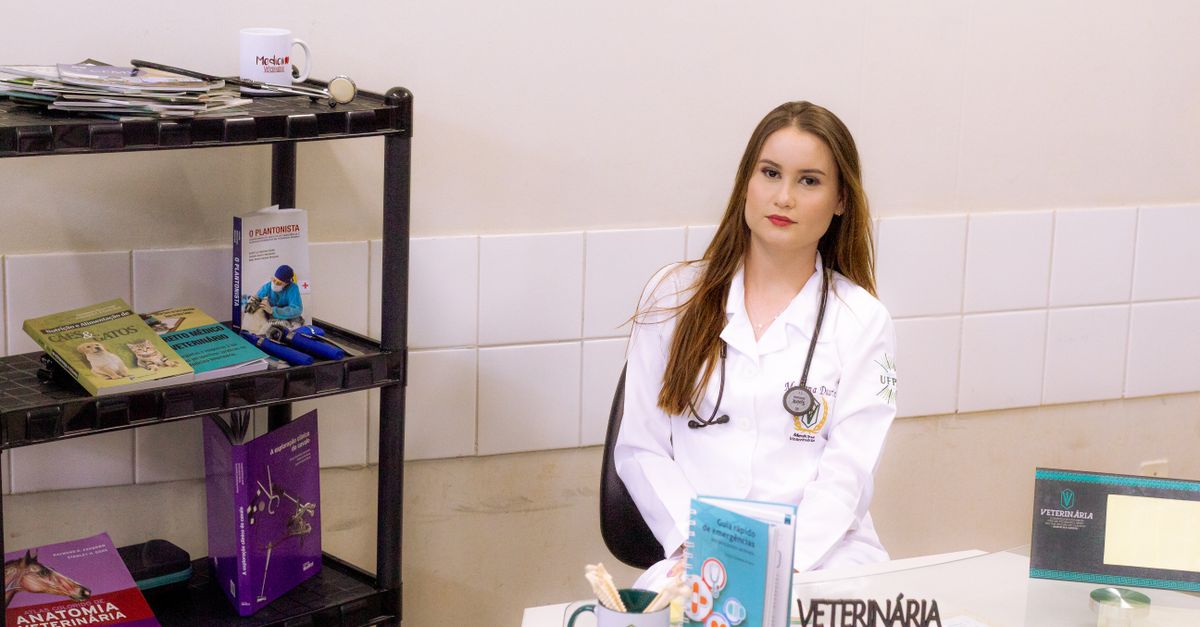
Bookkeeping for veterinary clinics in the UAE means running two revenue streams — clinical services and retail (pet food, medicine, accessories) — both at 5% VAT, because the UAE's zero-rated healthcare rules cover the wellbeing of human beings only. A clinic that mixes service and retail income in one ledger gets the VAT wrong, loses input tax it could recover, and risks FTA penalties. The position rests on four decisions: the VAT registration threshold (AED 375,000 in taxable supplies over 12 months), separating service from retail income, recovering input VAT on clinic costs, and keeping records for 5 years under VAT and 7 years under corporate tax.
TL;DR
- Veterinary services and clinic retail are both standard-rated at 5% VAT — the zero-rated healthcare rules apply to humans, not animals.
- Mandatory VAT registration applies when taxable supplies exceed AED 375,000 over 12 months; voluntary registration is possible above AED 187,500.
- Input VAT on clinic rent, equipment, medicine stock and lab costs is recoverable when the clinic is VAT-registered.
- Deposits taken before treatment are taxable when received — VAT is due on payment, not on the invoice date.
- Records must be kept 5 years for VAT purposes and 7 years for corporate tax purposes.
Why veterinary clinics get VAT wrong
A veterinary clinic looks like a healthcare business, and the 5% healthcare exemption feels like it should apply. It does not. The UAE VAT law zero-rates preventive and basic healthcare where the service relates to the wellbeing of a human being — veterinary treatment for animals is outside that scope entirely, so every consultation, surgery, vaccination and grooming service is standard-rated at 5%, as is the retail shelf (VAT law, Federal Decree-Law No. 8 of 2017; the FTA's healthcare guidance confirms the human-only scope).
Three practical consequences follow:
- The registration threshold arrives quickly. Clinical services plus retail put most clinics past the AED 375,000 mandatory registration threshold within the first year or two (the FTA's VAT registration rules count taxable supplies and imports over a rolling 12 months). Registering late carries a penalty, so the threshold needs watching from month one.
- Two income streams, one tax rate. Both service and retail income are standard-rated, but they still need separate ledger codes: retail carries stock control, cost of goods and shrinkage, while services carry practitioner time, consumables and equipment use.
- Deposits are a tax point. Treatment packages and vaccination plans are often paid in advance. VAT becomes due on the earlier of invoice date or payment date (VAT law), so a deposit received in March is VAT-accountable in the March return even if the treatment happens in April.
The bookkeeping structure a clinic needs
Separate the two revenue streams. Chart of accounts with one income group for clinical services (consultations, surgery, lab, imaging, grooming, boarding) and one for retail (pet food, medicine, accessories). Retail needs a stock ledger with monthly cost-of-goods reconciliation; services need time or procedure tracking so practitioner utilisation is visible.
Recover input VAT where it is due. A VAT-registered clinic recovers input tax on rent, equipment, medical supplies, laboratory tests outsourced to third parties, utilities and professional fees. Input tax on client or supplier entertainment is blocked under the VAT Executive Regulation's entertainment rules, and the clinic should keep entertainment in its own account so the block is visible in the return.
Watch the retail margin. The profit line between a consultation and a bag of food is different: retail is a volume, thin-margin business where stock losses quietly destroy margin. A monthly stock count against the stock ledger is the control that finds it.
Handle cash and card the same way. Point-of-sale systems used at clinics often reconcile cash on a delayed basis. Book POS settlements daily against the day's sales so the ledger, the POS report and the bank statement agree.
Steps to keep the clinic's books compliant in 2026
Step 1: Test the VAT threshold monthly
- Add taxable supplies (services + retail) on a rolling 12-month basis.
- At or above AED 375,000: register within the FTA's window. Between AED 187,500 and AED 375,000: voluntary registration is available and often worth it for the input tax recovery on fit-out and equipment.
Step 2: Build the ledger correctly
- Two income groups (services, retail) with sub-accounts per service line.
- A stock asset account and monthly stock count against cost of goods.
- Separate account for client and supplier entertainment (input VAT blocked).
- Advance payments and deposits recorded as deferred income until the tax point passes.
Step 3: Control the VAT return inputs
- Output tax from both income streams, including deposits received.
- Input tax from clinic costs, split from blocked entertainment.
- File within 28 days of the tax period end through the FTA portal.
Step 4: Set the record-keeping calendar
- VAT records: 5 years from the end of the relevant tax period.
- Corporate tax records (financial statements, invoices, adjustments): 7 years from the end of the tax period.
- Keep purchase invoices for equipment and fit-out — they support both the VAT recovery and the corporate tax depreciation.
Income and cost treatment at a glance
| Item in a UAE vet clinic | VAT treatment | Bookkeeping control | Source |
|---|---|---|---|
| Consultations, surgery, vaccination, grooming | Standard 5% | Separate service income group; deposits taxable on receipt | VAT law (FD-L 8/2017) |
| Pet food, medicine, accessories retail | Standard 5% | Stock ledger + monthly count against cost of goods | VAT law (FD-L 8/2017) |
| Clinic rent, equipment, medical supplies | Input VAT recoverable if registered | Purchase invoices retained 5+ years | VAT Executive Regulation |
| Client or supplier entertainment | Input VAT blocked | Separate entertainment account | VAT Executive Regulation, Art. 53 |
| Registration trigger | AED 375,000 over 12 months | Rolling 12-month supply tracker | FTA VAT registration rules |
Common mistakes veterinary clinics make
- Assuming the healthcare zero-rating applies because the clinic treats patients — the rules cover human wellbeing only, and every animal service is at 5%.
- Booking retail sales net of supplier discounts without a stock ledger, then losing track of cost of goods at the FTA query stage.
- Treating deposits as liability-only income and missing the VAT on receipt.
- Registering late after the rolling threshold quietly crosses AED 375,000.
FAQ
Is VAT 5% on veterinary services in the UAE?
Yes. Veterinary services are standard-rated at 5%. The zero-rated healthcare rules in the UAE VAT law cover the wellbeing of human beings only, so animal treatment never qualifies.
Does a veterinary clinic need to register for VAT?
Registration is mandatory when taxable supplies and imports exceed AED 375,000 over 12 months. Voluntary registration is available above AED 187,500 and often benefits clinics recovering input tax on fit-out and equipment.
When is VAT due on a deposit for a treatment package?
VAT becomes due on the earlier of the tax invoice date and the date payment is received, so a deposit is accountable in the return covering the month it was received.
How long must a clinic keep its accounting records?
VAT records for at least 5 years and corporate tax records for at least 7 years from the end of the relevant tax period.
Related guides
Reviewed by Suhail K Y, CMA® — last reviewed 7 October 2026. Rates and thresholds are date-scoped to 2026; confirm current figures on the FTA portal before filing.
CTA: If your clinic's VAT position or ledger structure needs a professional review, talk to a bookkeeping specialist at Finanshels.